
EPBD, Smart Buildings and Lighting
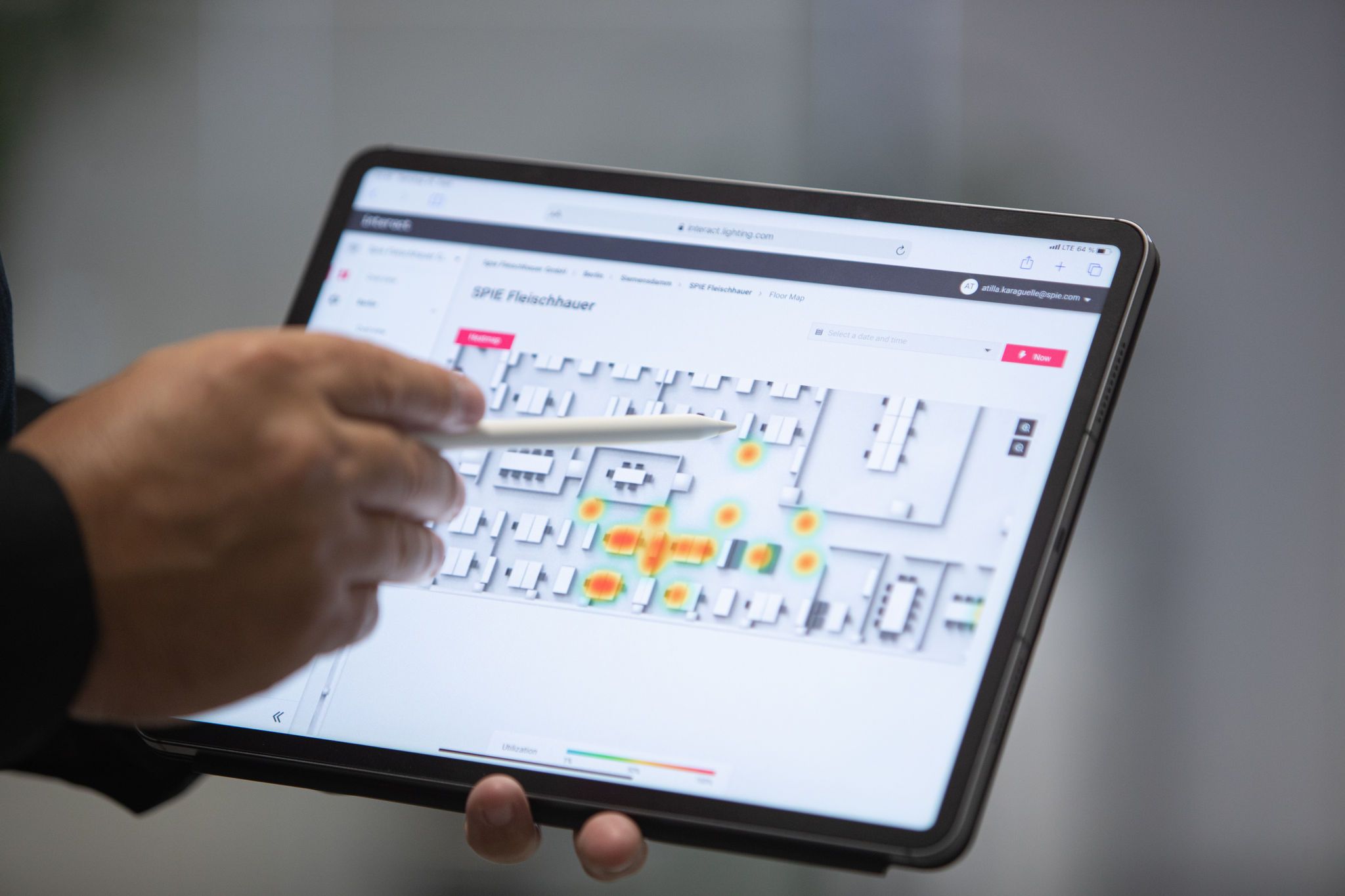
Across Europe, there’s an urgency to make buildings smarter and more efficient, while improving the quality and transparency of documentation. The updated Energy Performance of Buildings Directive (EPBD) is one of the main reasons why. It is not only for lower energy use; it also pushes owners and designers to think about how buildings are controlled, monitored, and prepared for future technologies.
We talked with two people who work with this topic every day, Margareta Zidar and Tomislav Kamenarić. Zidar is a Lead Consultant in the Energy Efficiency Department at the Energy Institute Hrvoje Požar and one of the key experts behind the nZEB renovation of the EIHP office building. Kamenarić is a Key Account Manager at Signify, responsible for lighting projects such as the Interact connected lighting system installed in the EIHP building. Together, they walked us through what the EPBD and the Smart Readiness Indicator mean in practice, and how smart lighting actually fits into that picture.
EPBD defines minimum energy performance standards, renovation targets, and requirements for technical building systems such as heating, cooling, ventilation, and lighting. It encourages the use of digital tools and control systems that can actively manage energy use, rather than treating buildings as static consumers.
“EPBD is moving building energy and management systems from a voluntary or fragmented practice into an enforceable performance-driven framework. There are various levels to comply with, from applying building automation and control systems, to digital-twins, use of real-time analytics and predictive control algorithms. The building automation and control system is mandatory for large non-residential buildings while a simplified level of monitoring and management is applicable to residential buildings.” says Zidar.
One important shift in EPBD requirements is that compliance is no longer just about technical standards like U‑values and equipment efficiency. The directive also looks at how well a building can adapt to users, to the grid, and to changing conditions over time. In practice, that means more focus on sensors, automation, data, and integration between different systems.

What the Smart Readiness Indicator really measures
To support this shift, the EU introduced the Smart Readiness Indicator (SRI). It is a framework that evaluates how prepared a building is for smart technologies. Instead of looking only at energy consumption, SRI looks at functions such as monitoring, control, automation, and interaction with users and the energy grid.
In simple terms, SRI asks three main questions:
- How smart are the technical systems in the building?
- How well does the building communicate with its users?
- How ready is the building to exchange energy and information with the grid?
Margareta explained that the SRI is a complex indicator on assessing a building's smart readiness, and is applicable in various building life-cycle phases:
“Within the EU-wide test phase several assessment tools have been developed and are available free of charge. Also, on-line training has been provided to auditors to acquire up-to-date understanding on the latest standards and technologies. They must be familiar with data-collection techniques and capable of using the software and tools that are standard in the industry for modelling, analysis, and evaluation. Analyses include energy-use patterns, control systems, occupancy patterns, heating, ventilation, and air conditioning (HVAC) operations, the performance of renewable-energy systems, indoor environmental quality, etc. Besides providing the score, the aim is to formulate effective suggestions and discuss them with the building’s owners, occupants, facility and energy managers. The final list of recommendations should be balanced, including the proposal of new and advanced smart solutions, clear explanations of retrofitting opportunities, and optimization strategies for existing systems.”
Through the following link: https://sri2market.eu/ , users may, upon registration, gain access to educational materials and a tool for Smart Readiness Indicator (SRI) assessment, both of which have been developed by the SRI2MARKET project.
Let’s take the lighting system as an example in this case. A smart lighting system can respond to occupancy, daylight, schedules, and energy signals. It can provide data about how spaces are used and where energy is being wasted. Because of that, advanced lighting control is one of effective ways to improve a building’s SRI score.
EPBD in a real building
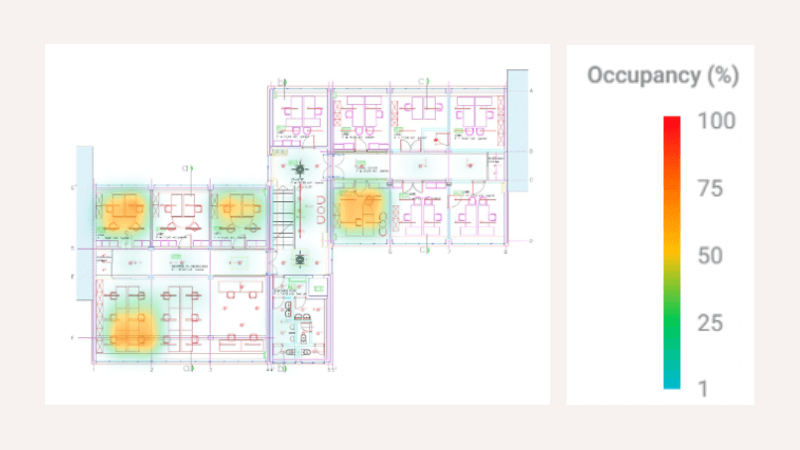
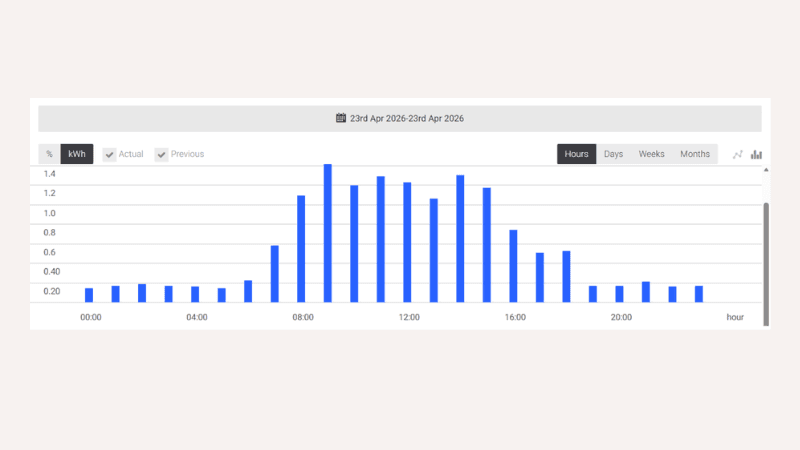
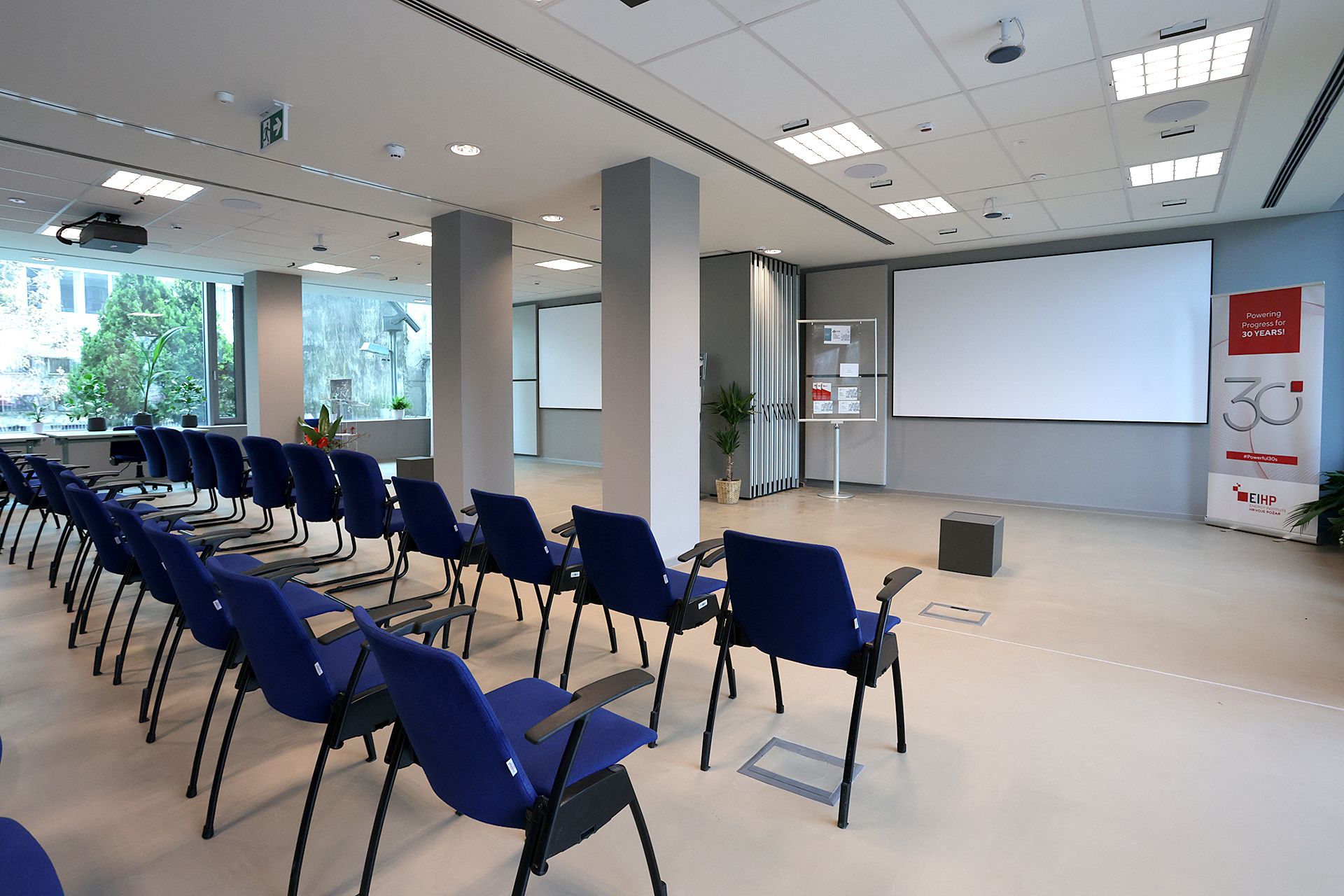
At the Energy Institute Hrvoje Požar (EIHP) building, the lighting system is based on Signify’s Interact platform, a connected, wireless lighting control solution. Interact allows the building to adjust lighting levels based on occupancy and daylight, manage different zones and schedules, and monitor energy use over time. This directly supports EPBD goals by reducing unnecessary consumption and enabling more responsive control.
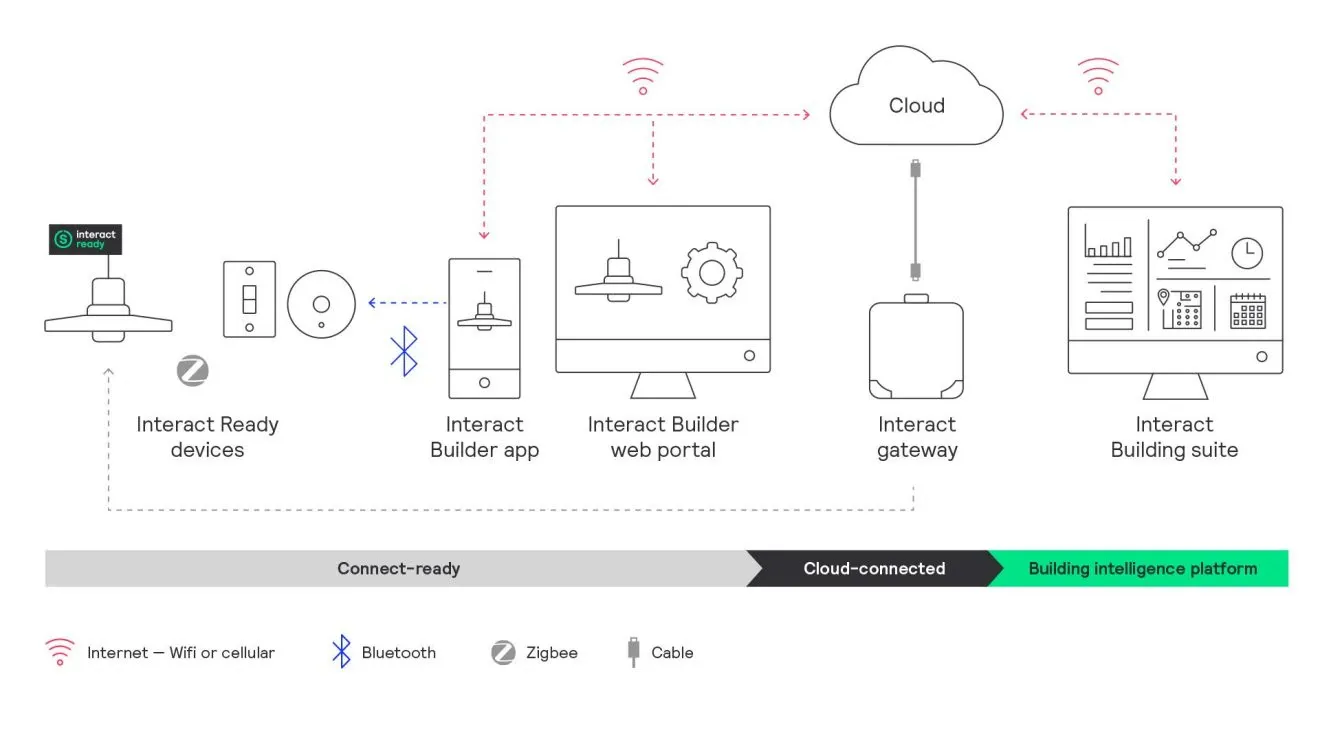
Because Interact is digital and data‑driven, it also provides information that can be used in SRI assessments. The ability to remotely configure settings, create scenes, and track performance over time shows a higher level of smart readiness compared to conventional on/off lighting. For EIHP, this means that lighting is not just a load, but an active part of the building’s energy management strategy.
“Artificial lighting control feature is used in the EIHP building. Two functionalities are applied: (1) occupancy control enables automatic on/off switch based on movement detection and (2) automatic dimming is based on daylighting levels but can also include scene-based light control determined by design specifications or activity type. Both functionalities also remain manually controlled. Because we are talking about cloud solution, Interact is future-proof. The installation of such a system is also made easier by the use of AI. Specifically for Interact, we have developed the virtual assistant Bulbi, which significantly simplifies the commissioning of the entire system and also facilitates the preparation for commissioning, which can be done in the installer's office and not on the construction site itself. ” says Kamenarić.
Zidar added how the lighting system scored maximum points for energy efficiency, comfort, convenience, well being and accessibility criteria:
“It enables energy savings and energy management while providing for improved indoor environment quality. The lighting system contributed 13% to the overall SRI score of 60%, where key areas of energy performance and functionalities (80%) and user demand response (74%) have reached high scores, while energy flexibility remains lower (20%) due to grid integration limitations.”
For designers and engineers, EPBD and SRI mean that lighting and other technical systems can no longer be treated as isolated packages. They need to be planned with integration, controllability, and data in mind from the earliest project stages. That often requires closer collaboration between energy experts, MEP designers, lighting specialists, and ICT teams.
For building owners and facility managers, the message is similar. Investing in smart lighting and controls is not only about ticking a regulatory box; it also affects long‑term operating costs, comfort, and the ability to adapt the building to new uses. Systems like Interact can make it easier to understand what is happening in the building and to turn that information into practical improvements.
Zidar explained that the calculation of the SRI is the basis for the identification of the performance-improvement opportunities of using building automation and control systems. The SRI rating does not only focus on energy, but also on adaptability, user comfort, and the potential for grid flexibility. Each building system is analyzed in the scope of these criteria and is based on practical thinking across the building's life-cycle.
“For instance, when evaluating the potential for installing a roof-top photovoltaic (PV) plant for local electricity generation, orientation of the roof, potential shading issues, modelled or measured energy use profile, necessity for local energy storage and grid-connection possibilities are to be considered.“
Lighting that can meet the defined energy performance standards under the EPBD is an energy‑efficient LED solution with controllability. It is equally important that, beyond energy efficiency, this solution is appropriate for the requirements of the space; for example, in an office building this primarily means providing a specific illuminance level and glare control. For the investor, it is also important that the platform on which the lighting system operates can be easily integrated with other building automation and control systems.
Tomislav adds that Interact offers two ways of connecting to building automation and control systems.
“The first one is through BACnet/IP via Signify Interact gateway and the second one is cloud APIs for HVAC and BMS integration. What was especially important in this renovation was the ability to integrate different types of luminaires into the same wireless system – from low‑glare office lighting to 3D‑printed downlights. In this case, we could produce visually identical downlights in different diameters, which allowed us to reuse existing installation openings instead of rebuilding the ceiling.”
Where do digital platforms fit in the EPBD story?
Smart buildings generate a lot of information: designs, specifications, control strategies, commissioning reports, SRI analyses, as‑built documentation, and ongoing change logs. All of this needs to be coordinated between multiple parties – architects, engineers, integrators, facility managers, and clients. Without a central place to manage it, important decisions and updates can easily get lost in emails and scattered folders.
This is where digital project platforms such as VOLUM3 become relevant. A Common Data Environment helps teams keep plans, specifications, tasks, and meeting minutes connected throughout the entire lifecycle of a project. For EPBD‑aligned renovations or new smart buildings, that means there is a clear record of what was designed, what was installed, how systems are meant to operate, and which follow‑up actions are needed. Instead of treating documentation and smart systems as two separate worlds, they become part of the same coordinated process.
Even though the EIHP project itself was not delivered through VOLUM3, it illustrates the type of complex, multi‑stakeholder process that benefits from a structured, shared environment. Many of the lighting and control products used in this renovation can now be found directly in the VOLUM3 product catalogue, making it easier to specify similar solutions on future projects. As more projects aim to meet EPBD and SRI requirements, combining smart technologies like Interact with organised digital collaboration will be essential to turn regulations into real, measurable performance.
As Margareta puts it, “For us, to reach grid-interactive efficient building was a central design decision adopted in the early project development phase. Smart systems were budgeted equally important to other energy performance features. A separate Building Automation And Control Design Folder was prepared to collect performances of individual building elements and systems to define interoperable smart system functionalities. This has demanded for intensive coordination of the wider team of stakeholders in cross-checking selected properties, equipment compliance and the expected outputs, from the design phase to contracting, verification and use. A common digital data exhchange environment would have been highly useful for transferring information between project phases and different stakeholders.”
More comprehensive training material on digitalization and nZEB standards and full story on EIHP refurbishment can be found on the nZEB training centre website.

Trg E. Kvaternika 3/3, 10 000 Zagreb, Croatia
+ 385 1 333 1909 info@volum3.com